

Cold weather has arrived, and it’s time to get your commercial roof ready. Snow and ice can cause significant damage to your property if you aren’t prepared for the changing elements.
This commercial roof inspection checklist consists of what a professional inspector will look for during an evaluation.
Building owners can avoid expensive repairs caused by the changes in seasons and temperatures by performing their own routine inspections and light maintenance, or by hiring a professional commercial roofing contractor to take care of this work for them.
Issues That Can Occur to Your Rooftop
Unfortunately, there are many things that can happen to your commercial roof throughout the year.
During the cold months of the year. You can end up with roof leaks, frozen gutter drains, and excessive snow buildup. The initial prevention of these types of problems is always better than repairing them later on.
Extreme weather conditions can cause your roof to collapse. Temperature changes can cause your roof to expand and contract, leading to cracks. These seasonal shifts may even lead to thermal shock and roofing failure.
Another issue is when water freezes in tiny cracks within the roof. Each time the weather warms up, the ice melts and the crack widens. Then, water freezes again and causes the crack to widen even more.
How Often Should a Commercial Roof Be Inspected?
A commercial roof should be inspected at least twice a year. The best time is in the spring and the fall to ensure the roof is in good shape before and after winter.
You should have additional inspections after severe storms, and if you notice any signs of damage, such as:
- Discoloration or deformation on interior ceiling/walls
- Visible mold or rust on the building/roof
- Standing water
- Gutters and downspouts are cracked or blocked
To keep your roof in good shape and avoid more costly fixes later, ensure that your roof is inspected by a qualified professional, such as Sentry Roofing.
10-Point Roof Inspection Checklist for Commercial Buildings
From ice dams around drains to a roof leak, there are many problems to watch out for during commercial building inspections.
Through reliable and consistent winter roofing maintenance and inspection, these costly damages and roof repairs can potentially be avoided by ensuring you have an expert inspector who knows to follow these ten key steps.
1. Conduct a Detailed Roof Inspection
If you want to ensure your commercial roof is in good condition, your roofing contractor will need to do a complete inspection.
The only way you can fix a lurking problem is by knowing it is there. A professional inspection will help you look at some of the following problem areas:
- Decking (any rot or staining spotted)
- Surface membranes
- Roof vents
- Flashing
- Field tears
- Gutters
- Drainage pipes
A regular commercial roof inspection gives you the chance to spot problems before they become a major issue. Summertime winds can cause tiny cracks, which can expand during wintertime.
In an inspection, problems like these wind-related cracks as well as clogged gutters can be discovered before the potential issue turns into costly damages that need repaired.
Be sure to contact a trusted commercial roofing specialist who can discover any areas that may be of concern. As you have your inspector go through the commercial roofing checklist, ensure that they look for any clogs or other obstructions.
They will also be looking for any defective flashing, buckles, and split seams before winter sets in.
2. Clean Debris
In this step, your inspector will check for any debris that needs to be removed from your roof. Debris like branches, leaves, and other trash from drains and roof corners will need to be removed so water can easily drain from your rooftop.
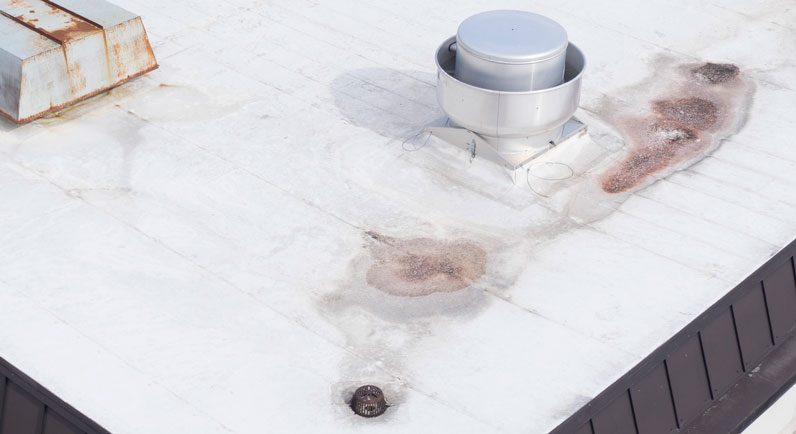
3. Inspect for Ponding Water
Your inspector will also check for evidence of ponding by looking for slow-draining lines and areas that are blocked. There may be color changes or stains on the roof around drains if water has sat for any length of time.
This professional evaluation will be able to discover if any underlying damage has been caused due to standing water.
4. Look at the Flashing
Next, have an expert take a look at flashing details like stacks, walls, and curbs. Their goal is to find any cracks or crevices, so they can be repaired before winter comes around.
Cracks and other failures are more common around transition points. This is particularly frequent in areas where the flashing goes from flat to vertical because there is more stress on these sections of the building. If any flashing issues are found, get it repaired prior to the weather cooling down.
5. Check the Field for Any Cracks or Tears
A thorough commercial inspection of the roof field will need to be done as well. Due to any debris found, any signs of cuts or tears in your roofing system will need to be found before structural damages are incurred.
If the inspector believes there is an existing leak in the field but is unable to find it, a “flood test” can be done, to track down any damages.
6. Inspect Terminations in Parapet Walls
Then, it’s time to look at the terminations on your parapet walls. These terminations should be properly sealed.
Your expert inspector will look at the base of the wall to see if there are any signs of failure or cracking. Ensure these issues are addressed to prevent much larger damages down the line.
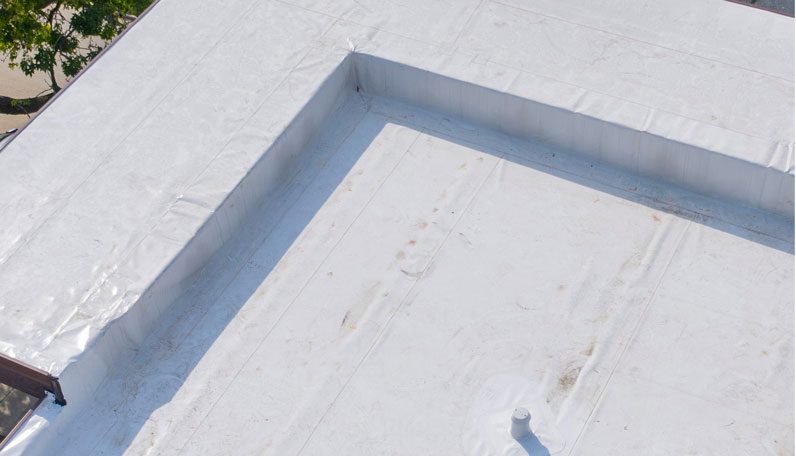
7. Check the Edge Detail
Your roofing inspection will include taking a look at the edge details. All of these edge materials should be secured down tightly and terminated. If they aren’t, a professional will need to properly secure anything coming loose to close gaps that allow elements inside.
8. Inspect Roof Surfaces
A professional will also inspect the edge of your roof. This is especially important near the windward edges because these areas are the most likely to lift or shift in a storm.
They should check to see if anything has blown loose or lifted because of wind damage.
9. Check the Gutters
Gutters and drains can also play a role in ponding water and will need to be checked.
If your gutters are clogged, water will be more likely to pool on your roof. Though ponding water on PVC roof membranes will not void your warranty and is less likely for damages to incur, it is still not recommended.
On other roof types, especially those that are asphalt based, this ponding can quickly lead to roof failure, especially during the winter.
To prevent this from happening, remove any debris that has built up in your gutters.
10. Look at Your Downspouts
Finally, the inspector will check out your downspouts and downspout terminations at ground level.
Sometimes, these sections become damaged or crushed from things like lawn maintenance to passing vehicles. If they are damaged, they will need to be replaced to prevent further problems from developing.

Prepare Your Roof for Every Season
Through the right roofing techniques and proper maintenance, Sentry Roofing can prevent expensive damages to your roof as the environment continues to go through its seasons.
With scheduled inspections for your commercial roof, any potential damages can be discovered before they lead to hefty repair bills or interior damage.
If you are concerned and want to prepare your business location for the frigid temperatures this winter, our team of roofing professionals can help make sure all of this is taken care of for you.
Schedule your no cost, no obligation roof evaluation today or give Sentry Roofing a call for more information at (800) 446 – 2133.
Thank you for allowing us to be of service!


5 Responses
To spot problems early and prevent further damage, you should get your roof examined regularly. Thank you so much for sharing your valuable content!
precaution is better than cure, we have to check and inspect regularly is prevent further damage. A General roof inspection will help to identify damaged areas on your commercial rooftop. you have to check regularly following areas of your roof
1. Surface membranes
2. Roof vents
3. Flashing
4. Field Tears
5. Gutters
6. Drainage Pipes
if you are looking for a Roof contractor in Longmont then I would like to suggest you to visit once Roof Check Inc. because they provide best in class Roof roofing solution.
I really appreciate your content about the Commercial Roof inspection. inspection means It’s all about finding the problem and giving the best solution to customers.
Thanks for sharing this post!
This is a fantastic and thorough guide for commercial property owners preparing their roofs for winter! The 10-point checklist covers all the crucial areas that can prevent costly damage and ensure a roof’s longevity. I especially appreciate the emphasis on proactive maintenance—issues like ponding water, flashing failures, and clogged gutters can lead to major structural problems if left unchecked. Sentry Roofing’s commitment to free roof evaluations is also a great way for businesses to stay ahead of potential issues. Thanks for sharing these valuable insights!