
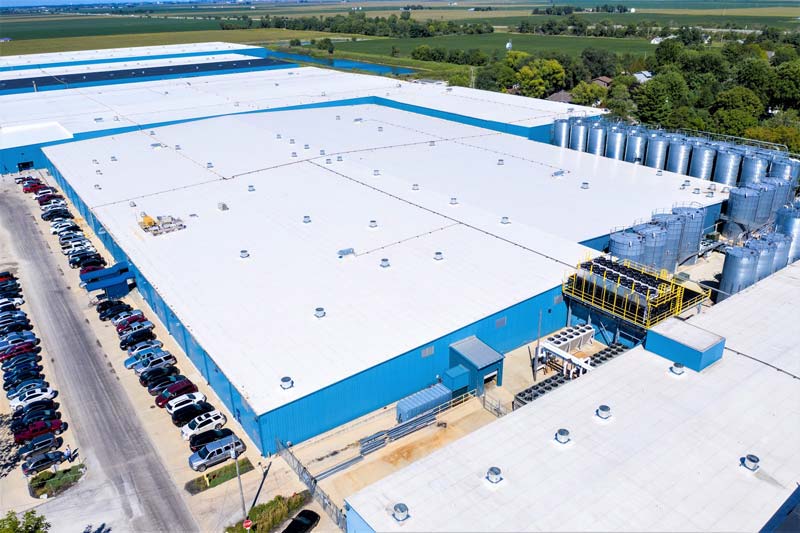
About Single-Ply Roofing
What sets Single-Ply Roofing apart is its ability to offer a lightweight yet highly effective defense against harsh weather conditions, making it an ideal choice for a wide range of architectural designs. Its installation process is both efficient and environmentally conscious, reducing labor time and material waste. Available in varieties such as EPDM, TPO, and PVC, each with unique properties tailored to different climatic and aesthetic requirements, Single-Ply Roofing systems provide a customizable solution to modern roofing needs.
This roofing technology not only stands as a testament to innovation in material science but also emphasizes energy efficiency and sustainability. With options for highly reflective surfaces, it contributes to reducing cooling costs and mitigating urban heat island effects, aligning with contemporary demands for green building practices. Thus, Single-Ply Roofing emerges as a forward-thinking choice for those seeking to blend performance, environmental responsibility, and long-term value in commercial roofing solutions.
Frequently Asked Questions
What is single-ply roofing?
Single-ply roofing refers to a roofing system made from one layer of materials such as thermoplastic or synthetic rubber. This type of roofing is widely used on commercial buildings due to its resistance to UV radiation, flexibility, and lightweight properties.
What are the main types of single-ply roofing membranes?
The primary types of single-ply membranes include EPDM (Ethylene Propylene Diene Monomer), TPO (Thermoplastic Polyolefin), and PVC (Polyvinyl Chloride). Each type has its unique properties, such as EPDM’s durability and flexibility, TPO’s energy efficiency and heat-reflective capabilities, and PVC’s strength and resistance to chemicals and fire.
How long does single-ply roofing last?
The lifespan of a single-ply roofing system can vary depending on the material, installation quality, maintenance, and environmental conditions. Generally, single-ply roofs can last anywhere from 20 to 30 years or more with proper care and maintenance.
Is single-ply roofing energy efficient?
Yes, many single-ply roofing materials are designed to be energy efficient. For example, white or light-colored TPO and PVC membranes reflect sunlight and heat away from the building, reducing the need for air conditioning and leading to energy savings.
Can single-ply roofing be installed over an existing roof?
In many cases, single-ply roofing can be installed over an existing roof, which can reduce costs and minimize waste. However, a thorough inspection is necessary to ensure that the existing roof structure is sound and capable of supporting the new roofing system.
How is single-ply roofing installed?
Single-ply roofing membranes can be installed using various methods, including mechanical attachment (with fasteners), fully adhered (with adhesive), or ballasted (held in place with weight). The choice of installation method depends on the building’s design, the specific roofing material, and the environmental conditions.
What maintenance does single-ply roofing require?
While single-ply roofs are relatively low maintenance, regular inspections and maintenance are crucial to extending their lifespan. This includes cleaning debris, checking for and repairing punctures or tears, ensuring drainage systems are clear, and inspecting flashings and seams for potential leaks.
How does single-ply roofing impact the environment?
Single-ply roofing systems are considered more environmentally friendly than traditional roofing materials. Many single-ply membranes are recyclable at the end of their life cycle, and their reflective properties can reduce energy consumption, contributing to a lower carbon footprint for buildings.
