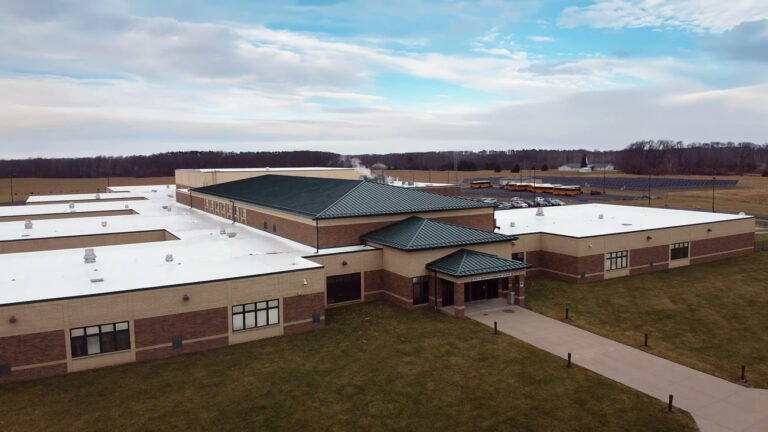
Your commercial roof takes a beating year-round, but some of the most serious threats happen as the seasons change and especially during winter to spring transitions.
Between winter’s snow and ice and spring’s intense storms, numerous freeze/thaw cycles occur that place stress on commercial roof systems due to thermal movement. Depending on the roof system, this can cause cracks and leaks, leading to wet insulation, reduced energy efficiency, and if left unchecked, possible deck or structural damage. Often leaks are noted inside the building with damaged ceiling tile or drips, but leaking can occur that is not noted inside.
If you own or manage a commercial or industrial building, staying ahead of these issues is crucial. Regular inspections and maintenance can save costly repairs later and keep the cost of eventual re-roofing lower by preventing damage to roof insulation, allowing it to continue serving in the replacement roof system.
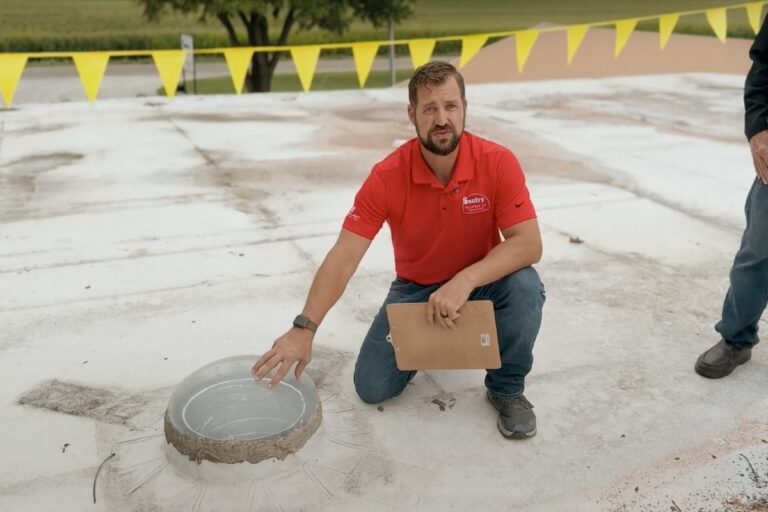
“During the springtime, you get a lot of storms, which can cause storm damage. In the winter, you get ice and snow loads, which can also cause issues. So, when you’re coming out of winter, you need to check for potential problems.”
If you find yourself asking “Did winter weather damage my roof?”, this was written for you.
Let’s take a closer look at how seasonal shifts impact your roof and what you can do to protect your building.
Winter Weather Can Cause Hidden Damage
Winter weather is tough on flat and low-slope commercial roofs. Snow and ice don’t just sit on top of your building – they cause constant stress to the roof system that can create problems that may not be obvious at first.
One major concern is the weight of snow and ice accumulation. If your roof holds too much weight for too long, it can stress the structure and the roof system, causing leaks. Even more concerning is ice wedging, where water seeps into tiny cracks, freezes, and expands, forcing those cracks open even wider. Over time, this can lead to serious roof deterioration.
Another problem happens when ice builds up in gutters and downspouts. If the gutters fill with ice, they can bend, crack, or even detach from the building.
“Ice wedging into cracks and such can open up things that weren’t open before.”
Drainage systems play a key role in keeping water off your roof. If they fail, melting snow and ice can pool on the roof and eventually find its way inside.
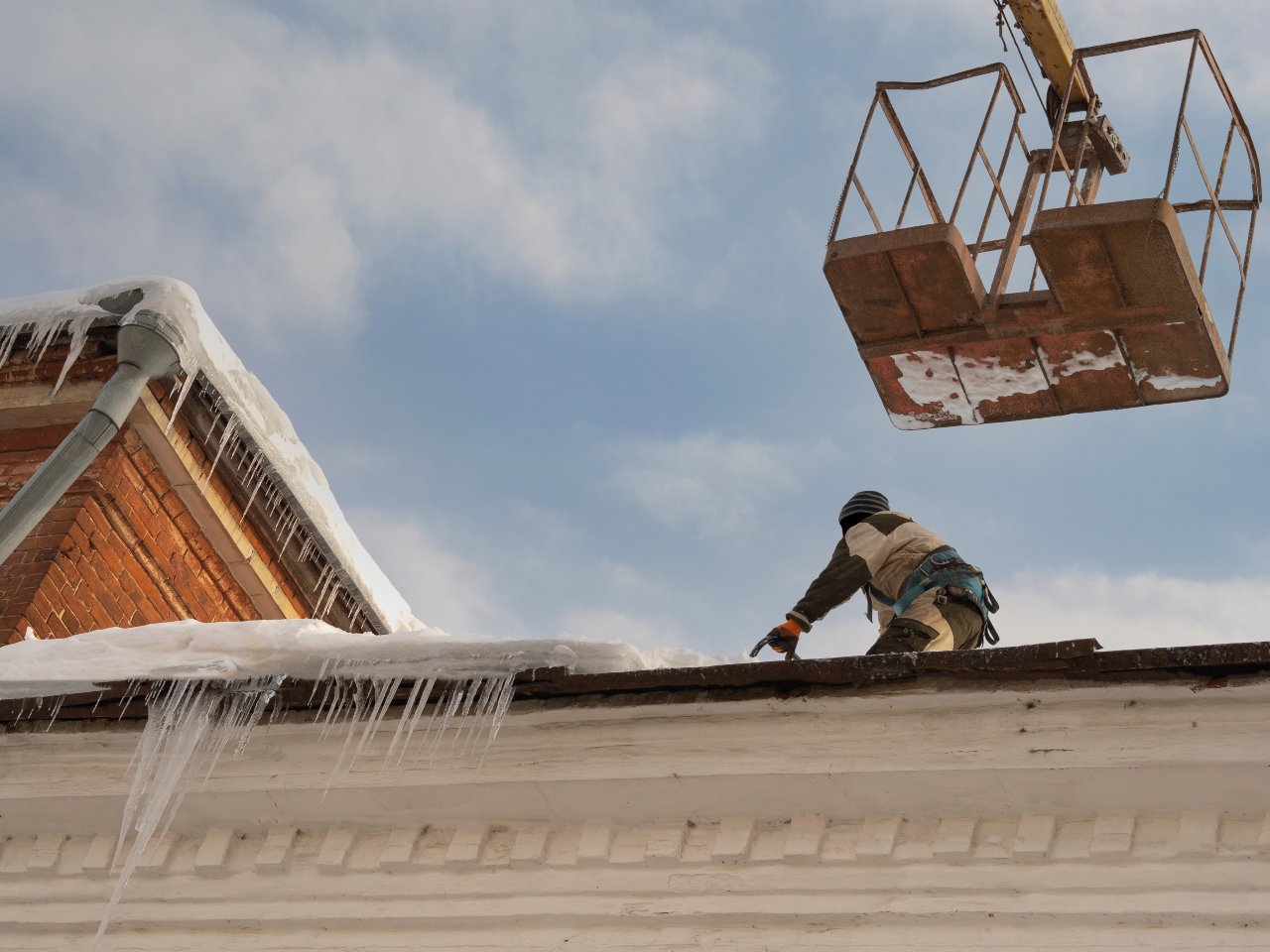
What to look for:
- Ice dams or icicles forming along the edges of the roof
- Sagging or detached gutters
- Water stains on ceilings or walls inside the building
- Unusual creaking or noises from the roof deck indicate a serious overload and should not be ignored
If you notice any of these warning signs, it’s time for a professional inspection.
Spring Storms Can Worsen Existing Issues
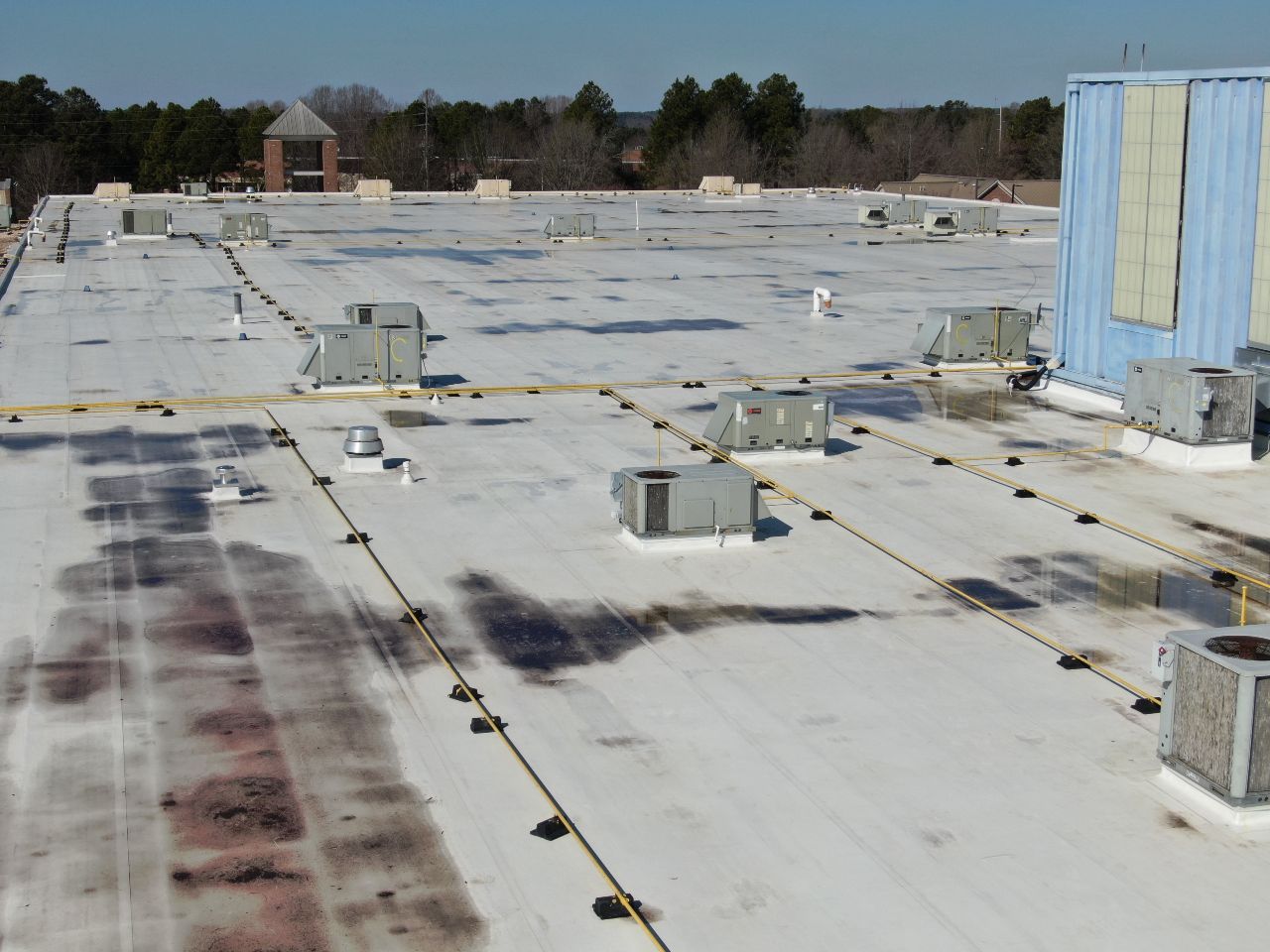
Spring might bring warmer weather, but it also brings storms—heavy rain, strong winds, and possibly hail. If your roof already has weak points from winter damage, storm activity will likely add to the problems.
For example, hydraulic pressure – which occurs when trapped snow or ice melts and forces water into small openings – can create leaks. This can lead to costly interior water damage. As Sentry Roofing explains:
“A small layer of water underneath the ice and snow will force water into areas where normally you wouldn’t get leaks.”
High winds and hail can also damage flashing, roof seams, and rooftop equipment. If the roof assembly has been damaged over the winter, spring storms may cause a blow off and severe damage.
What to look for:
- New leaks appearing after heavy rain
- Loose or missing metal flashing around rooftop equipment or edges, components loose or missing from rooftop equipment
- Pooling water on the roof after a storm, especially depressions that may indicate structural damage or weakness
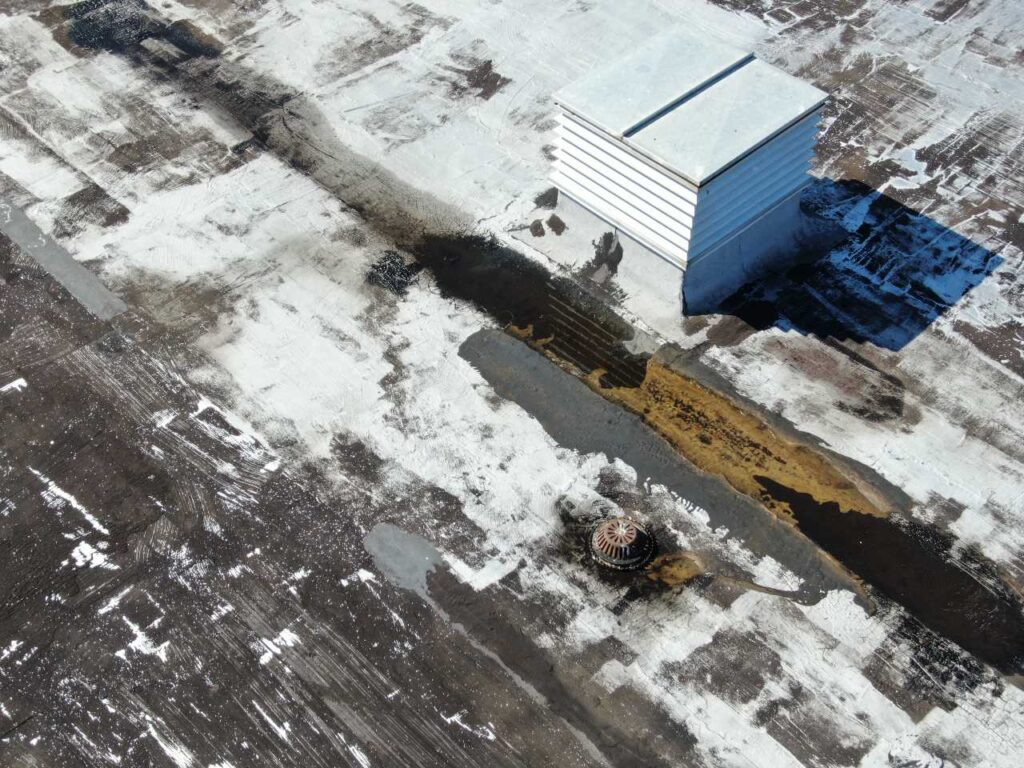
- Wind blown debris that may be blocking drains, scuppers or downspouts (plastic shopping bags, leaves, etc.)
Even small leaks can lead to bigger issues like mold, insulation damage or damage to deck or structure. It’s important to act if and when a problem is noticed.
Proactive Inspections & Maintenance: Your Best Defense
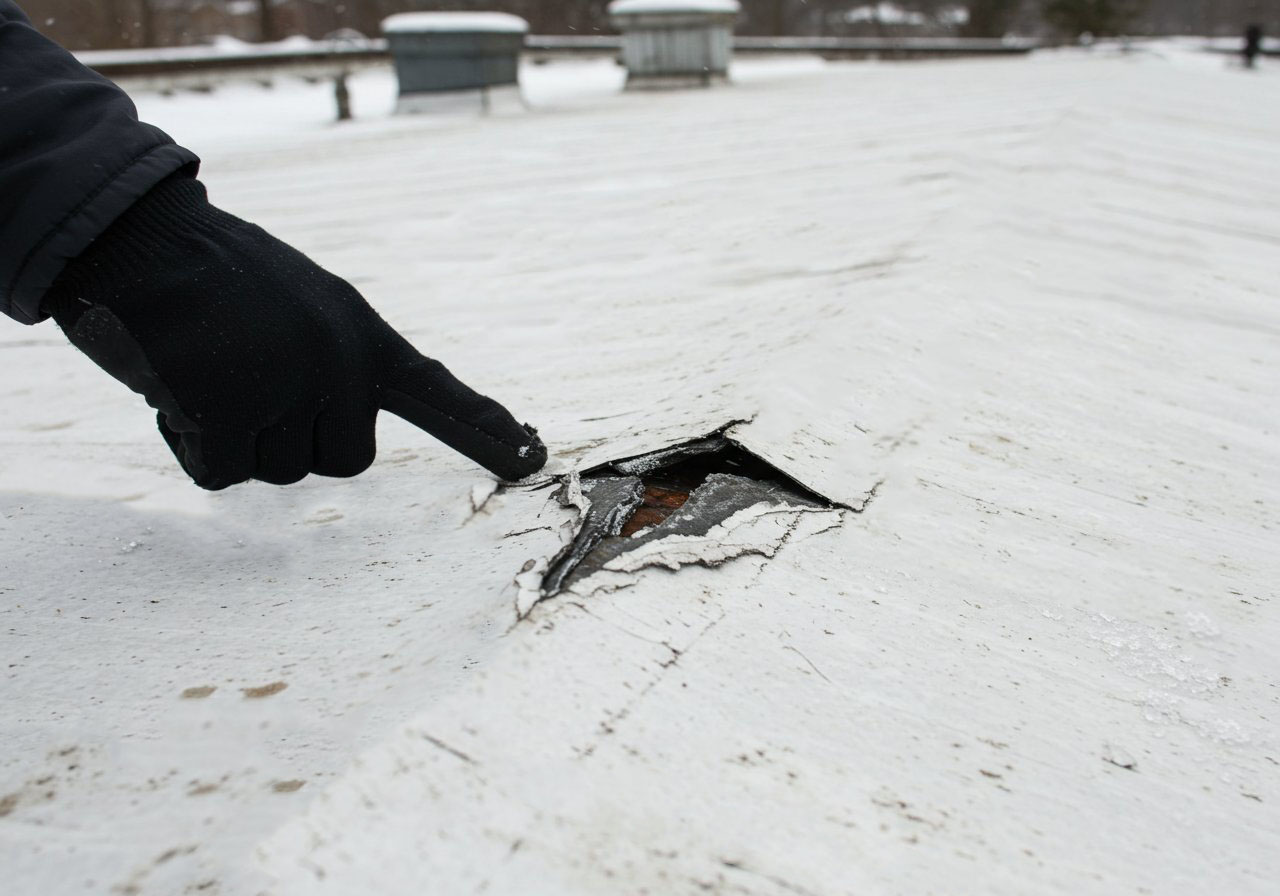
The best way to avoid costly repairs is to have your roof inspected once or twice annually, especially after immediately before and after winter. Should an extreme weather event occur such as damaging storms or high winds a quick inspection can be invaluable to find and repair possible damage.
A thorough roof inspection should check all critical areas, including:
- Flashing & Seams – Ensuring that all sealants and caulking are intact
- Gutters & Downspouts – Making sure they are clear and securely attached
- Roof Drains – Checking that nothing is clogging drain baskets so water can drain properly
- Rooftop Equipment & Metal Components – Looking for loose, missing or damaged components
- Pipe boots and vents – Verify all pipe boots and vents have sound base flashing and vents requiring caps do indeed have caps in place
“The best thing you can do to extend the service life of your roof is to have regular comprehensive inspections done for your rooftop.”
If your staff is capable, in-house inspections may be sufficient, but for a full assessment, you may wish to bring in a professional. They’ll be able to spot small problems that may be overlooked and make repairs before they become a serious issue.
When to Call a Professional

If you see signs of roof damage—or even if just for peace of mind—it’s time to bring in an expert. A roofing professional will:
- Identify and repair weak points before they turn into significant leaks
- Make necessary recommendations and repairs to avoid further damage
- Extend the service life of your roof to help you get the best return on your existing investment
- With timely repairs, keep the existing insulation system and deck in good condition, helping avoid costly tear off expenses when re-roofing does become necessary
- Help you plan and budget for eventual re-roofing
“Our business is to come out, do inspections for you, figure out what you need, help you make repairs, extend the life of your roof, and help you get everything out of it we can.”
By being proactive with inspections and maintenance, you keep the existing roof as healthy as possible, extending service life and keeping your business, staff and customers safe and dry.
Final Thoughts
Your commercial roof is one of the most important elements of your building – it protects everything inside. Winter snow and ice, followed by spring storms, can take a toll, but with appropriate inspections and prompt repairs, you can extend roof service life and keep your building and contents dry.
If you notice leaks, unusual sounds, or visible roof damage, don’t wait. Schedule a professional inspection to ensure your roof is in top condition for the seasons ahead.
Need an expert opinion? Contact Sentry Roofing today for a courteous and comprehensive inspection! We have been serving the Midwest for over 40 years with professional commercial/industrial roofing services and would consider it a privilege to be of assistance to you!