As business owners, we know that your building is one of your most significant assets. But the roof protecting that asset? It’s often out of sight and out of mind – until something goes wrong.
We’re Gene and Tim Fowler of Sentry Roofing. For over 40 years, we’ve been on the rooftops of businesses across the region, and we’ve seen firsthand how a little proactive care can prevent catastrophic, expensive problems down the line.
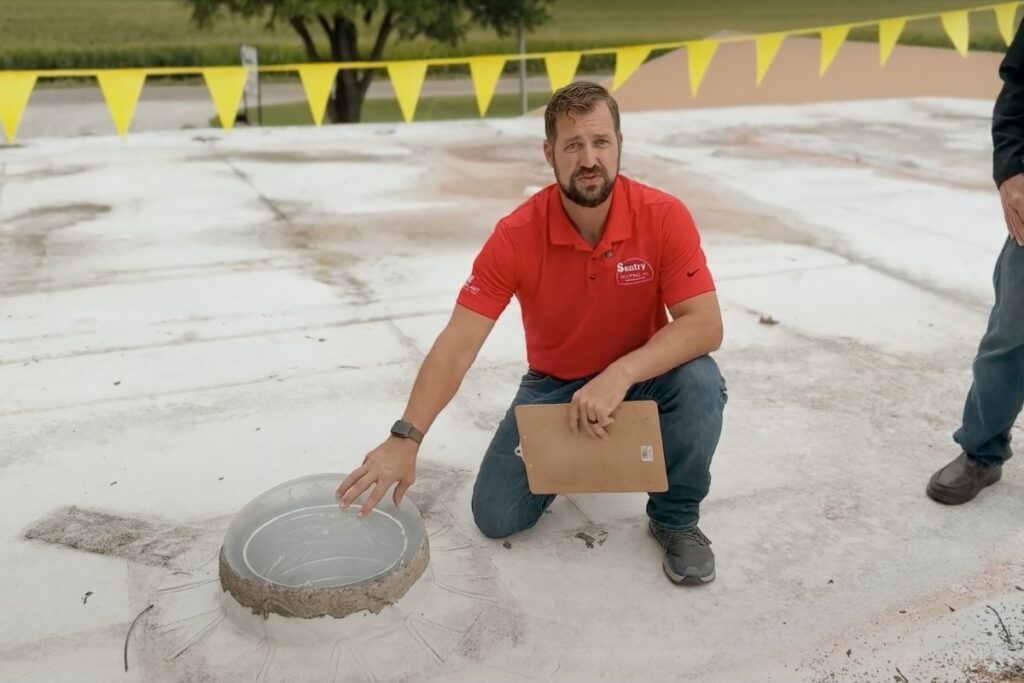
We were recently on our own office roof and had to laugh.
As Gene said, “You know, like the shoemaker’s kids that go barefoot… we’re so focused on everybody else.”
It was a good reminder that even for us, roofing has to be an intentional priority.
Based on our decades of experience, we’ve put together this definitive guide to help you protect your investment through smart, proactive commercial roof maintenance plans.
How Often Should Your Roof Be Inspected?
The single most effective thing you can do for your roof’s longevity is to have it inspected regularly. But how often is enough?
We recommend you, or a trusted professional, should be looking at your roof at least once annually, if not twice a year.
The ideal times are in the spring and fall. This schedule allows you to assess any damage after the harsh winter weather has passed and to prepare your roof for the coming cold, snow, and ice.
Why Are Winter and Summer So Hard on Commercial Roofs?
We get this question a lot. It’s not just about a little snow.
As Gene explains, “The ice and snow creates a lot of extra hydraulic pressure on the roof. There’s falling icicles and the extreme temperatures have a tendency to tighten materials up, cause cracking and increase any problems that you already have.”
The freeze-thaw cycle relentlessly works to expand and contract roofing materials, opening up tiny vulnerabilities. Summer brings its own challenges with intense UV radiation that can degrade materials and thermal shock from sudden thunderstorms. An inspection schedule centered around these seasons is your best defense.
The High Cost of Delay: Why Early Detection is Crucial
A common objection we hear is, “Why spend money on maintenance if it’s not leaking?” The answer is simple: preventative maintenance is always cheaper than emergency repairs.
A small issue, like a cracked seam, a clogged drain, a loose piece of flashing, is a simple, low-cost fix.
Left unaddressed, that same small issue can lead to water infiltration, saturated insulation, damage to your building’s structure, and eventually, a costly and disruptive full roof replacement.
As Tim puts it, “You want to catch maintenance items early because you want to get to them before they cause any damage and before they get worse. Sometimes if they get worse, the repair ends up being a lot bigger than what it would have been otherwise.”
A tell-tale sign is, of course, a leak. But by the time you see a stain on a ceiling tile, the damage has already begun. Water may have been sitting in your roofing system for weeks or months, silently compromising its integrity.
A Building Owner’s Roof Inspection Checklist
When we perform an inspection, we’re looking at the entire roofing system with a trained eye. If you’re conducting a preliminary check yourself, here are the critical areas to focus on.
1. Drainage Systems
Your roof’s primary job is to shed water. If it can’t, you have a problem.
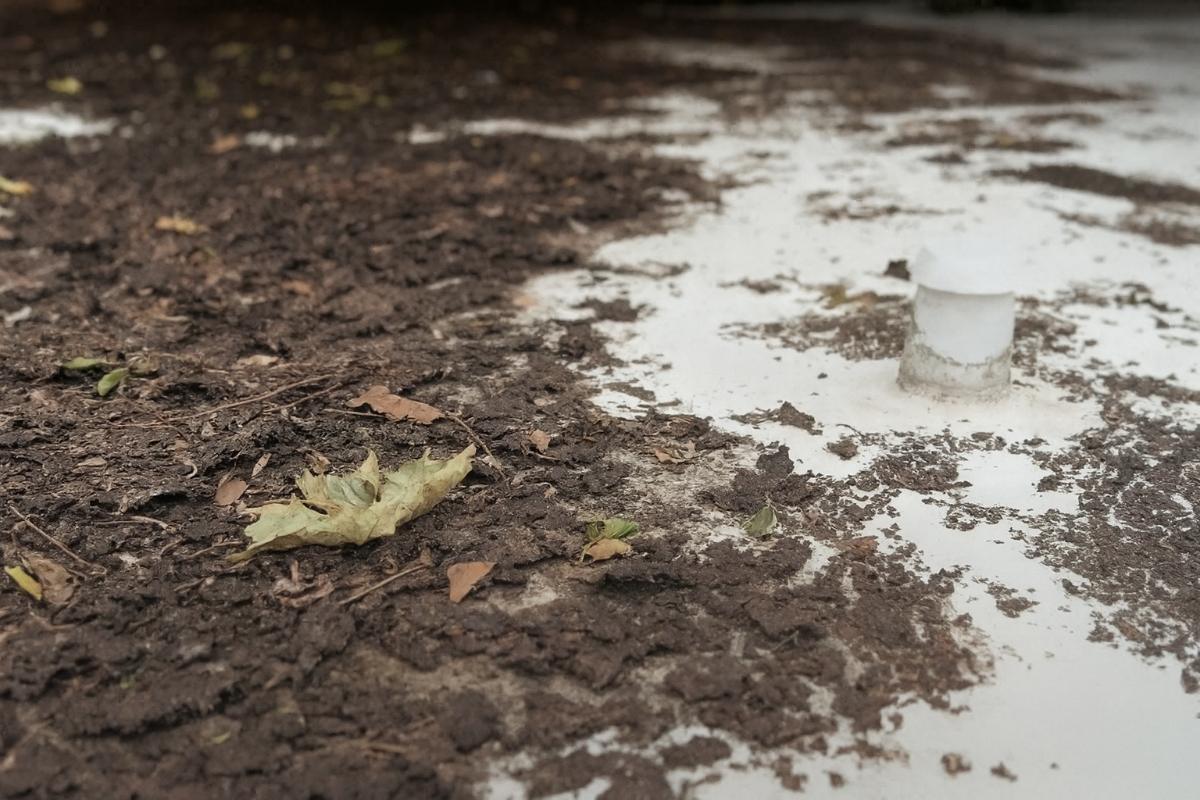
- Rooftop Drains: Check for leaves, dirt, trash, and other debris that can clog the drain and cause water to pond on your roof.
- Gutters & Downspouts: Ensure they are clear and flowing freely. We’ve seen it all. “If you’re at a school, I pull out baseballs and such from gutters all the time.” Make sure water has a clear path off your roof.
2. Sealants and Caulking
The most vulnerable points on any roof are the seams and penetrations.
- Check All Penetrations: Look at where HVAC units, pipes, vents, and curbs meet the roof.
- Inspect the Caulking: Is it cracked, peeling away, or no longer pliable? As Tim notes, “Dirt is not a problem on the caulking… but you want to watch for those cracks and anything that’s loose.” These are common fail points that need attention.
3. Membrane Integrity
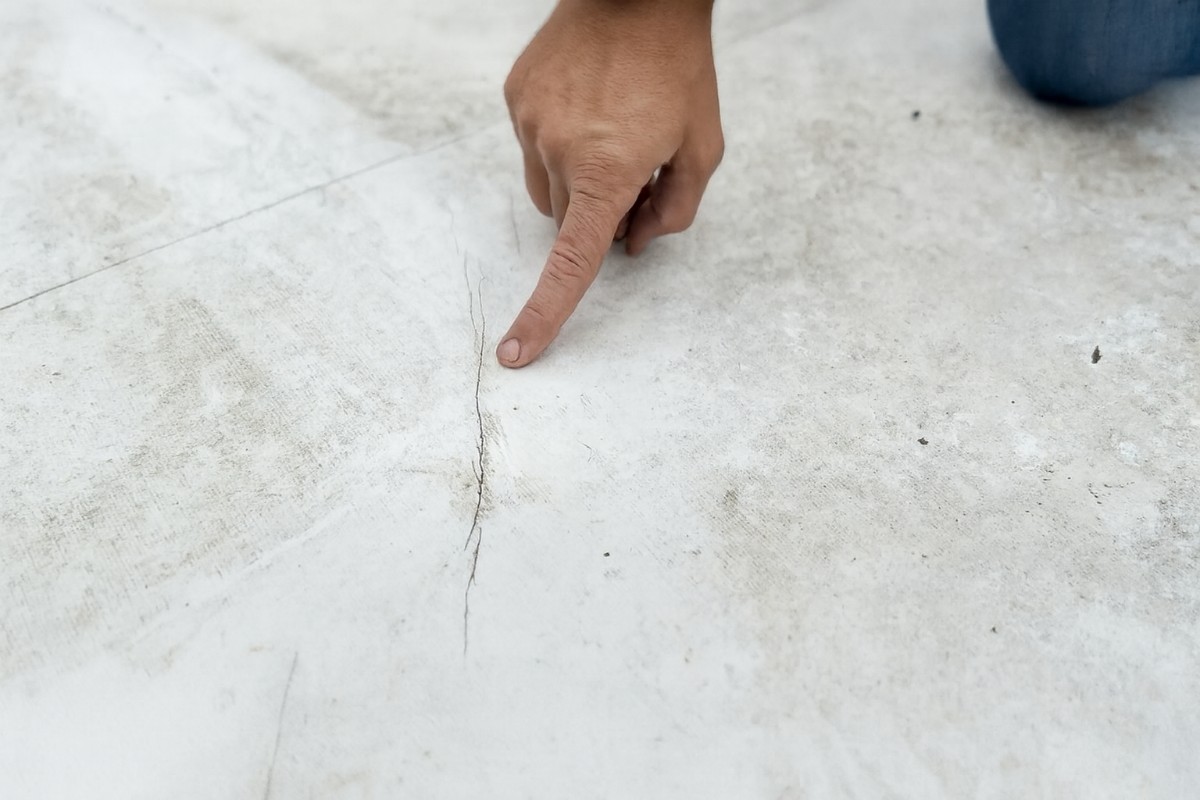
The roof’s surface, or membrane, is its main shield. Look closely for signs of wear and tear.
- Cracks: Look for linear cracks that indicate the membrane is aging and becoming brittle.
- Holes & Punctures: Damage can come from anywhere – falling tree branches, dropped tools from other contractors, or even discarded items. “In cities, bullet holes can be a problem, too. We’ve dug bullets out of roofs on many occasions.” Every puncture is a direct entry point for water.
- Loose Membrane: If you see areas of the roof that appear to be billowing or fluttering in the wind, it could mean the fasteners or adhesive have failed. This is an urgent issue that needs immediate professional attention before a storm can tear off a section of your roof.
4. Rooftop Equipment
Often, roof damage is caused by other work being done on your building.
- Inspect Around HVAC Units: Look for loose access panels, doors, or damage to the membrane from service technicians. We’ve seen a serviceman “simply throw the door and it punched a hole in the membrane.”
- Check Equipment Condition: Ensure the units themselves are secure and not causing damage to their curbs or the surrounding roof area.
Safety First
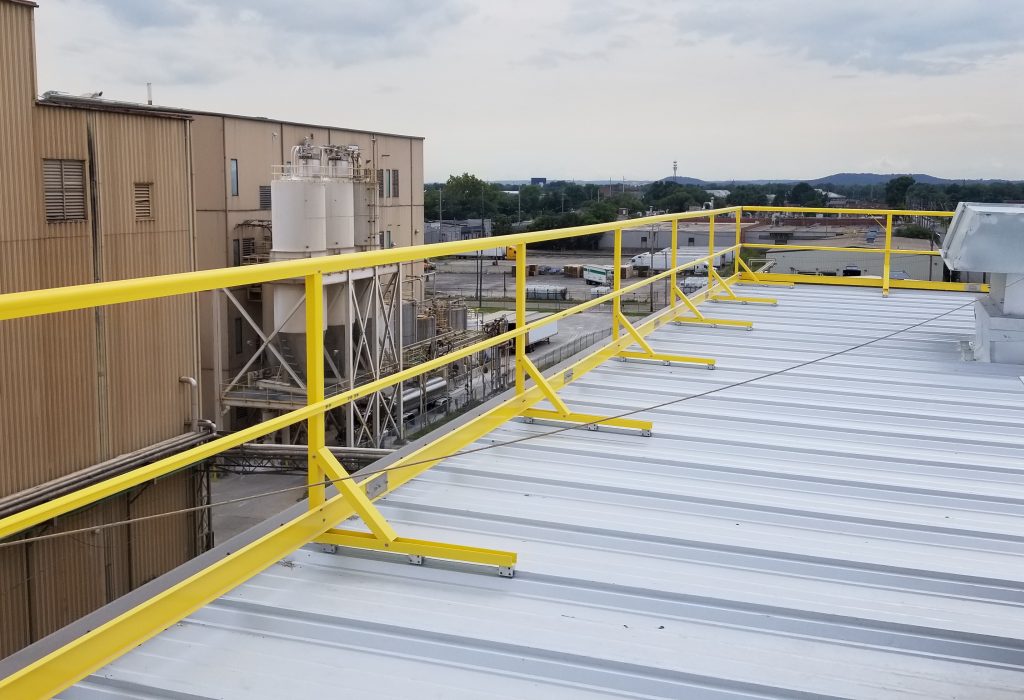
Before sending anyone onto your roof, safety must be the top priority. “Make sure anybody that gets up on the roof is trained in fall safety and trained to be on a roof and do it safely.”
This is the number one reason to partner with a professional. At Sentry Roofing, our team is fully trained and insured. But beyond safety, you get our experience. We see things others miss.
As Gene says, “We know what to look for. There’s a lot of subtle signs that we can see that most people will miss.” That subtle sign could be the difference between a simple repair today and a major replacement tomorrow.
Take Control with a Sentry Roofing Maintenance Plan
Don’t wait for a leak to tell you there’s a problem. Be proactive. We offer tailored solutions to fit your needs:
- On-Demand Inspections: Call us when you need a check-up, after a major storm, or if you suspect a leak.
- Formal Maintenance Programs: We partner with you to create a scheduled, bi-annual inspection and maintenance plan. We’ll come out, perform a comprehensive check of all the items on this list, provide a detailed report, and handle any minor issues on the spot before they become major problems.
Your commercial roof is a complex system that works hard to protect your business. Investing in a regular maintenance plan provides peace of mind, extends the life of your roof, and is one of the smartest financial decisions you can make for your property.
Ready to protect your investment? Contact Sentry Roofing, Inc. today to schedule a comprehensive inspection or to learn more about our commercial roof maintenance plans.