

Business owners have many roof system alternatives to consider when the time comes to reroof a commercial/industrial facility. One of the most popular and effective choices is a PVC roofing system.
What is a PVC Roofing System?
A PVC roofing system is made of a single-ply white membrane. A PVC roofing membrane is made from ethylene and chlorine combined with plasticizers, which makes it flexible, strong, and durable. It is heat-welded at the seams to create a watertight roofing system.
PVC roofing is known for its resistance to chemicals, UV rays (it reflects heat), and harsh weather. It is energy-efficient, low-maintenance, and long-lasting. It is often used on flat or low-slope commercial roofs.
Development of PVC Roofing
PVC stands for polyvinyl chloride (aka “vinyl” or “PVC” roofs) have been around since the 1960s, when they were first introduced in Europe. Some early PVC membranes had quality issues. Unreinforced membranes and migration of plasticizers (components that give PVC membranes flexibility leaving the membrane over time) caused membrane failures, especially in cold conditions.
Product improvements were quickly developed to resolve early membrane problems. They included more robust product chemistry and the addition of a reinforcement scrim between membrane film layers to provide sheet stability, puncture and tear resistance. PVC systems enjoy a large and growing share of the commercial roofing market.
PVC is made from two basic components: natural gas or oil and salt. The fuel is converted to ethylene, and chlorine is retrieved from rock salt, one of the most abundant elements on Earth. These are joined to produce a white compound known as vinyl chloride monomer, then processed further to produce rigid or flexible PVC.
PVC is used extensively across a broad range of industrial and everyday applications and is one of the most widely used polymers in the world.
10 Benefits of PVC Roofing Systems
PVC roofing systems have several outstanding features. Let’s go over some of them together.
1. Long Lasting
It is not unusual to find PVC roof installations that have been on the job for 25 years or more. Because PVC is a plastic, it is flexible and able to accommodate the thermal expansion and contraction that commercial roofing systems undergo as weather and temperature conditions change. Also, PVC membranes don’t “cure” over time, meaning that they remain hot air weldable (for repairs or other alterations) throughout their lifetime.
2. Lightweight
PVC roofing membranes can often be installed without an expensive and disruptive tear-off of the current roofing system (depending on existing roof condition and local building codes).
3. Seams are Hot-Air Welded

This method of seaming the separate membrane components of the roofing system – sheets and flashing details – delivers a more secure and longer-lasting membrane seam on the rooftop than other systems that require adhesives. Heat literally melts overlapping membrane pieces together to provide a uniform membrane sheet. The welded joint is actually more tear resistant than the membrane itself.
4. Flexible Membrane
Where other single-ply roofing systems stiffen up when the weather gets colder – making them difficult to handle and seam on the rooftop – PVC remains flexible, enabling it to be installed virtually year-round. Also, because PVC membranes are flexible, they can be easily factory prefabricated before arriving at the jobsite.
Factory pre-fabrication significantly reduces on-site labor costs and provides a more reliable, long-term installation due to complex welding procedures being completed under ideal factory conditions.
Duro-Last is the inventor and patent holder for custom pre-fabricated PVC roof systems and the leading manufacturer for PVC roofing in the United States. With Duro-Last, up to 80% of membrane welding is completed and factory inspected before the custom-made roof system arrives on your rooftop!
5. Durable
PVC systems can handle a wide variety of rooftop conditions, including resisting many chemicals and other substances that can negatively affect other products. PVC is especially effective on rooftops (restaurants and some manufacturing or industrial facilities) where there is greasy or oily rooftop exhaust. PVC roofing is also highly resistant to moisture and ponding water; under those conditions, it doesn’t rot or otherwise deteriorate. This proven durability means less roof maintenance expense and longer trouble-free service life for you.
6. Inherently Flame / Fire Resistant

TPO membrane (left) vs Duro-Last PVC membrane (right)
Unlike other roofing products with higher carbon content, fire ratings are easier to achieve with PVC systems, which are also less likely to emit toxic gases in building fires. In flame tests, ignited PVC membrane will self-extinguish while other roof systems burn freely, contributing to flame spread and building loss.
7. Water Resistant
The PVC membrane is waterproof, and since the PVC roofing is heat-welded at the seams, it has a watertight seal. This makes PVC roofs more water resistant than other types of roofs. PVC is ideal for flat or low-slope roofs where water damage or leaks can be more common.
8. Chemical Resistant
PVC roofing is also resistant to a wide range of chemicals. The chemicals don’t impact its durability or appearance. This makes it the ideal roofing system for restaurants, manufacturing facilities, or any building that deals with chemical exhausts.
9. Energy Efficient
White PVC membranes are highly reflective and deliver real energy cost savings because solar heat is reflected rather than conducted into the building. It is an established fact that rooftop HVAC systems run more efficiently in a cooler rooftop environment.
On hot days, the ambient air temperature around rooftop units is lower on a white, reflective roof than on a gravel surfaced or black rubber roof. The high reflectivity of a PVC roof system keeps the membrane temperature significantly lower on hot, sunny days.
This puts less stress on roof insulation, extends the life of the roof system, and saves energy dollars by keeping the building cooler, allowing HVAC systems to run less and operate in a cooler environment.
10. Recyclable
Recyclability is a key element of many “green” design programs, and unlike other roofing materials, PVC is recyclable. There are programs in place to make good use of “used” roofing systems, including the Duro-Last program that recycles manufacturing scrap and old PVC roofing into commercial flooring and other construction products.
Installation Process of PVC Roofing Systems
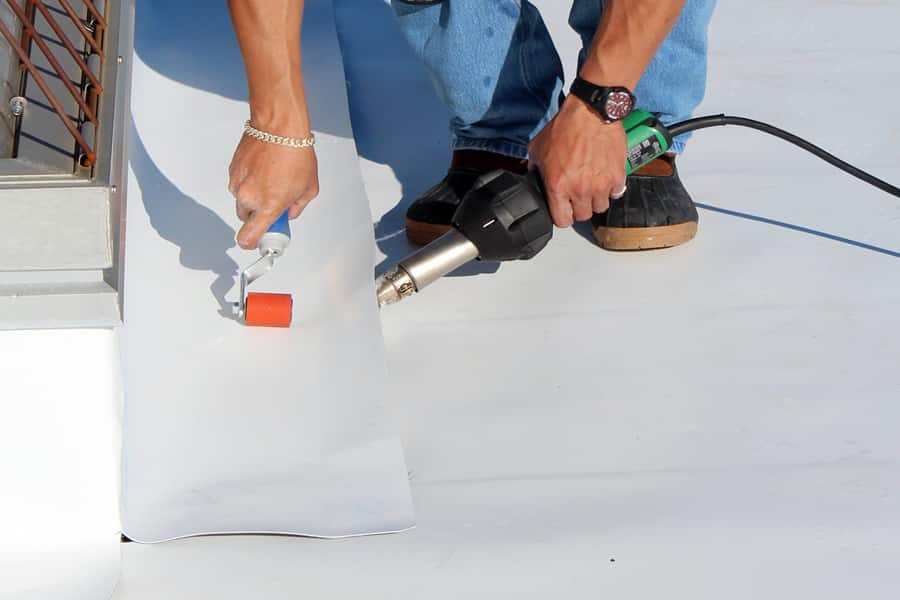
Installing a PVC roofing system involves several key steps to ensure long-term durability and performance. It begins with surface preparation, where the roof is cleaned and inspected to remove debris or old roofing materials.
The PVC membrane is then carefully laid out and secured, with seams hot-air welded to form a watertight seal. Flashing details are also welded in place to protect roof penetrations and edges. After installation, a thorough inspection ensures all seams are secure, providing long-lasting, reliable protection.
Cost of PVC Roofing Systems
PVC roofing systems are known for their durability, but what about cost? The price of PVC roofing depends on several factors, including roof size, the condition of the existing roof, and installation complexity.
While PVC may have a higher upfront cost than some other materials, its long lifespan, energy savings, and minimal maintenance make it a cost-effective option in the long run. Choosing PVC means fewer repairs and lower energy bills, translating into significant savings over time.
PVC Roofing Systems vs. Other Roofing Materials
When considering a new roofing system, it’s important to compare PVC roofing to other materials like TPO and EPDM. PVC stands out for its chemical resistance, fire safety, and energy efficiency. For instance, PVC’s hot-air welded seams offer superior durability compared to TPO’s adhesive-based seams.
EPDM, while durable, doesn’t provide the same level of resistance to grease and chemicals, making PVC the better choice for certain commercial applications like restaurants. Additionally, the highly reflective surface of PVC makes it more energy efficient than many alternatives, reducing cooling costs for the building.
Environmental Impact and Sustainability of PVC Roofing

As businesses focus more on sustainability, PVC roofing systems are an environmentally responsible option. PVC roofs are recyclable, which helps reduce waste that would otherwise end up in landfills.
PVC’s reflective properties also lower the building’s energy consumption by reducing the need for air conditioning during hot months. For companies pursuing LEED certification or other green building standards, a PVC roofing system can contribute toward meeting energy efficiency and recycling goals.
Maintenance and Care Tips for PVC Roofing Systems
A well-maintained PVC roof can last for decades. Regular maintenance is essential to ensuring that the roof performs at its best. Cleaning the roof periodically to remove dirt, debris, and algae helps maintain its reflective properties and overall appearance.
Annual inspections are also recommended to check for any damage, especially after severe weather. Addressing small repairs quickly, such as resealing seams or patching minor punctures, can extend the life of the roof and prevent more costly repairs down the road.
Choose a PVC Roofing System for Your Commercial Building
In summary, there are many good reasons to consider a PVC roofing system for your commercial or industrial facility. You’ll save money over the roof’s lifespan, spend less time and resources on repairs, reduce environmental impact with energy savings during roof service life, and avoid contributing construction waste to landfills by recycling the roof when its service life has ended.
The contractor that installs your roof is as important as the roof system selected.
Sentry Roofing has been a commercial roofing expert in the Midwest for over three decades, specializing in the installation of roofing systems provided by Duro-Last Roofing. Duro-Last has been manufacturing PVC roofing since 1978 and has developed and perfected the custom-made factory prefabrication process.
For over three decades, Sentry has received awards from Duro-Last for quality workmanship and installation volume.
FAQs
The following FAQs include questions that customers often ask regarding PVC roofing systems.
What does PVC roofing stand for?
The term ‘PVC’ stands for Polyvinyl Chloride. The materials are created by a chemical reaction known as polymerization.
Can you walk on PVC roofing?
Yes, you can walk on PVC roofing systems as they are designed to be durable and long lasting. However, try to avoid heavy traffic as it can reduce the life of the roof if not careful.
Which is better TPO or PVC roofing?
PVC is generally better than TPO. It is easier to install and has fewer failure points. TPO has a lower upfront cost, but PVC lasts longer. Both TPO and PVC are chemical resistant, but only PVC is fire resistant and is more UV resistant. PVC is also better for more extreme weather.
Learn more about TPO vs PVC Roofing Systems.
Is PVC roofing suitable for extreme weather?
PVC roofing is suitable for extreme weather. It can handle both hot and cold weather and is resistant to UV, fire, and water. It is durable and can withstand storms.
Is PVC roofing eco-friendly?
PVC roofing is eco-friendly. PVC roofs are energy efficient since they reflect heat, and PVC membranes are recyclable.
How long do PVC roofs last?
PVC roofs can last for 25 years or even much longer. Depending on the care, maintenance, and location of your rooftop, your mileage may vary. To extend the life of your PVC roof, ensure you are taking the proper steps to maintain performance.

Should you select Sentry as the contractor for your new PVC roof, you will be assured of long-lasting, watertight protection for your commercial building and unending, dedicated customer service. We would be honored to evaluate your roofing needs and help determine the best course of action for maintaining the rooftop at your facility. Thank you in advance for allowing us to be of service!


2 Responses
My work pvc and aluminum
Thank you for posting this informative blog.