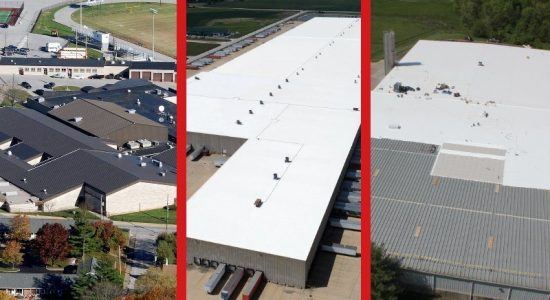
Emergencies & Estimates

800-446-2133

PVC Roofing Systems

Single-Ply PVC Roofing Membrane Systems

PVC Membrane roofing systems (polyvinyl chloride) are typically referred to as vinyl roofing.

The PVC of the roofing system is made up of ethylene and chlorine. This roofing system is designed to be stable, flexible and achieve high tearing and breaking strengths. 

PVC Roofing Membrane Details

The PVC Roofing Membrane is made by combining the PVC material with a polyester reinforcement scrim between.

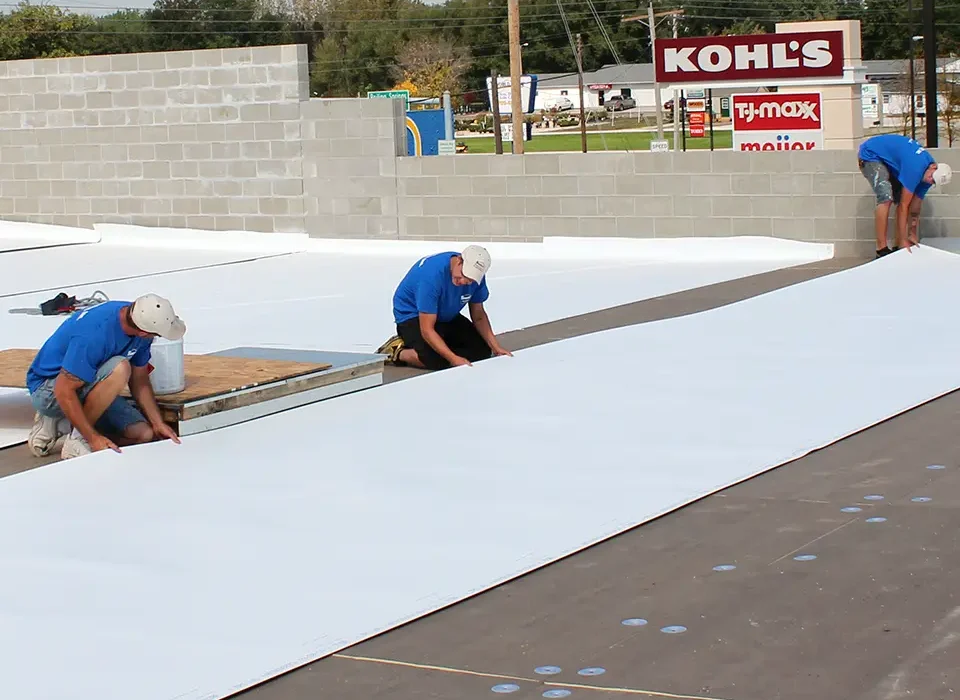
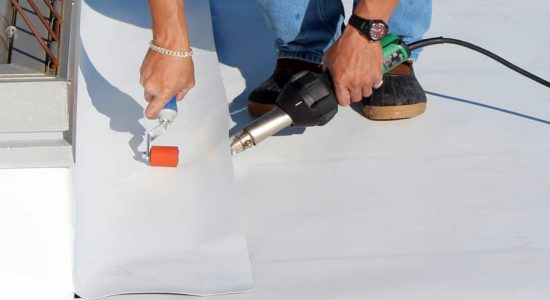
Seams are hot-air welded together to ensure a water tight seal during extreme weather conditions. 

PVC single-ply roofing membrane is built to have superior durability, longevity and performance. Manufactured to be resistant to UV Radiation, strong winds, fire and chemicals. 

Pvc Roofing Membrane System

Available in .045″, .060″ and .080″

Long Lasting / Durable

15 to 30 Year Warranties

High Solar Reflectivity

UV, Wind & Weather Resistant

Energy Efficient

Puncture Resistant

Hot-air Welded

PVC Thermoplastic Formulation

Proprietary thermoplastic PVC formulation of resins, plasticizers, stabilizers, biocides, flame retardants, and U.V. absorbents.

Polyester fabric construction with weft insertion, composed of denier threads, provides superior tear and puncture resistance. The polyester thread is treated to prevent wicking.

Weft-Inserted Scrim​

Duro-last Membrane features an 18-by-14 weft-insertion (or “woven”) anti-wicking scrim, providing superior strength and puncture resistance.

Colors

White

Grey

Dark Grey

Tan

Terra Cotta

Custom Fabricated Accessories

Each component of your roofing system requires a custom fit to ensure a water tight seal.

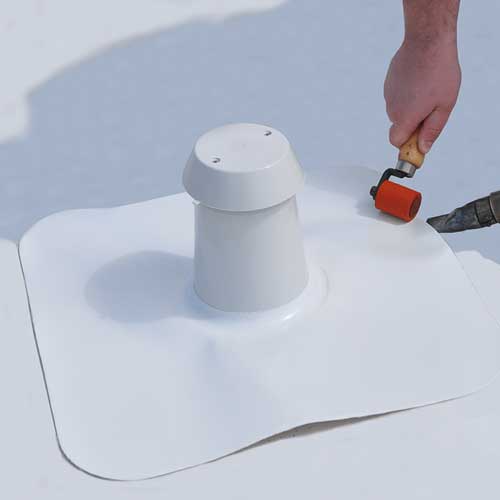
Roof Vent PVC Flashing
Stack Flashings
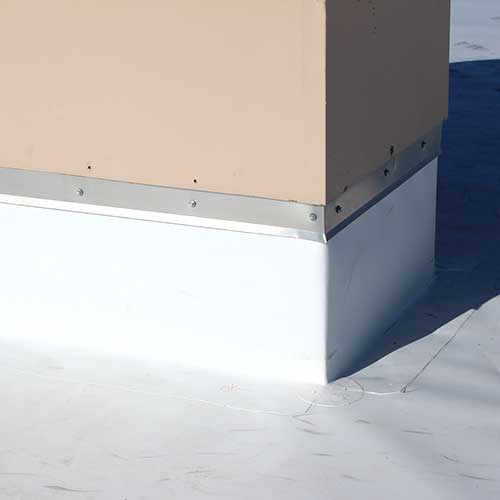
PVC Flat Roof Corner Flashing
Corner Flashing
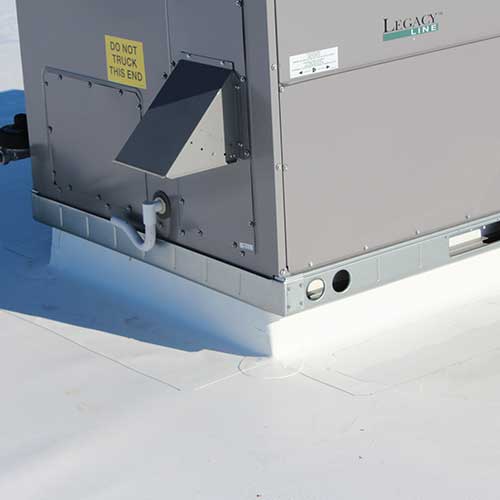
Roof Curb PVC Flashing
Curb Flashing
Flat Roof Drain PVC Flashing
Drains
Air Vent PVC Flashing
Two-Way Air Vent
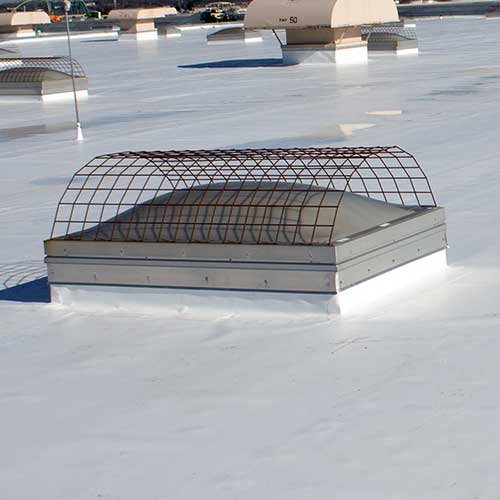
Skylight PVC Flashing
Skylights

Frequently Asked Questions About Commercial PVC Roofing

PVC (polyvinyl chloride) is a high-performance, single-ply roofing membrane used primarily on flat and low-sloped commercial buildings. It is a thermoplastic material produced by a combination of ethylene and chlorine. For industrial applications, the membrane is reinforced with a high-tenacity polyester scrim. This construction provides the tear strength and breaking resistance necessary to withstand building movement and extreme weather conditions.

When properly installed by a certified contractor, a PVC roofing system typically provides a service life of 20 to 30 years. The longevity of the system is largely due to the hot-air welded seams, which create a permanent, watertight bond. Unlike roofs that rely on adhesives or tapes, PVC seams do not degrade over time, ensuring the system remains monolithic throughout its lifespan.

While both are thermoplastic membranes, PVC is generally superior for industrial environments, particularly for facilities involving food processing or manufacturing. PVC offers exceptional resistance to chemicals, grease, animal fats, and oils that would typically cause a TPO or EPDM roof to swell and fail. If your facility has rooftop exhaust fans or chemical vents, PVC is almost always the recommended solution.

Yes. A “recover” or “retrofit” installation is a common and cost-effective strategy for commercial buildings. We can often install a new PVC membrane directly over an existing EPDM or metal roof after adding a layer of insulation or a cover board. This process avoids the high cost of a complete tear-off, keeps your operations running without disruption, and significantly improves the R-value of your building.

PVC is a highly reflective “cool roof” solution. Most PVC membranes are bright white, reflecting up to 80 percent of the sun’s UV rays. By reducing the amount of heat absorbed into the building, facility managers often see a significant reduction in peak cooling demands. This helps lower utility bills and can contribute to LEED certification or local energy tax credits.

PVC is known for being low maintenance. However, we recommend a semi-annual inspection program to ensure that drains are clear and that the membrane has not been damaged by other trades working on rooftop units. One of the biggest advantages of PVC is that it remains weldable throughout its entire life. If a puncture occurs ten years after installation, a new patch can be hot-air welded to the original membrane with ease.

PVC membranes are inherently fire-resistant. Unlike many other roofing materials that can support combustion, PVC is difficult to ignite and is self-extinguishing once the flame source is removed. Most of our commercial PVC installations carry a Class A fire rating, which is the highest industry standard for fire resistance.

We offer a range of warranty options, including manufacturer-backed “No Dollar Limit” (NDL) warranties. An NDL warranty provides the building owner with the highest level of protection, covering both material and labor for the full term of the warranty, typically 15, 20, or 25 years. This ensures that any leaks or defects are corrected at no additional cost to the owner.

Single-Ply PVC Roof Membrane Information

Related PVC Blogs

Request Evaluation

No Cost, No Obiligation Detailed Inspection & Report